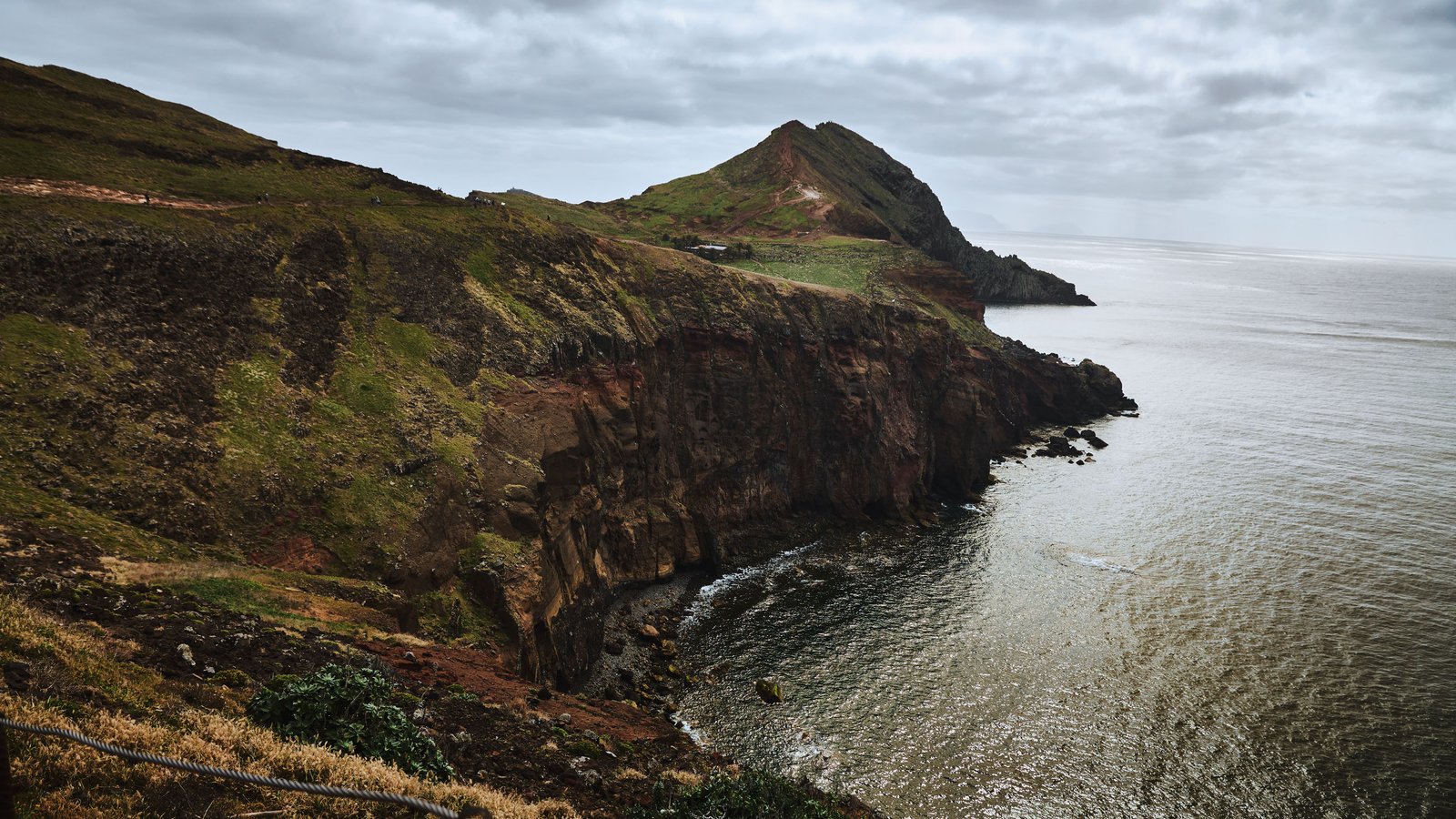
My parents went to Madeira a few years back, and from Mum’s thousand photos of flowers, shrubs, and random trees I figured it was your standard seaside resort with a hotel and a beach. Not even close. We’d gone half the winter back home in Moravia without seeing the sun. I wanted out of that Czech grey for at least a long weekend. I was surprised how much colour I find.
I picked the trip partly on how easy it was to book and how painful the travel would be. The original idea was Tenerife. But I bought everything maybe a week ahead, and flights were already stupidly expensive. As in: for that money I could’ve flown to Thailand. In the end Madeira worked out about thirty per cent cheaper—pretty much across the board. Direct from Vienna is only four hours.
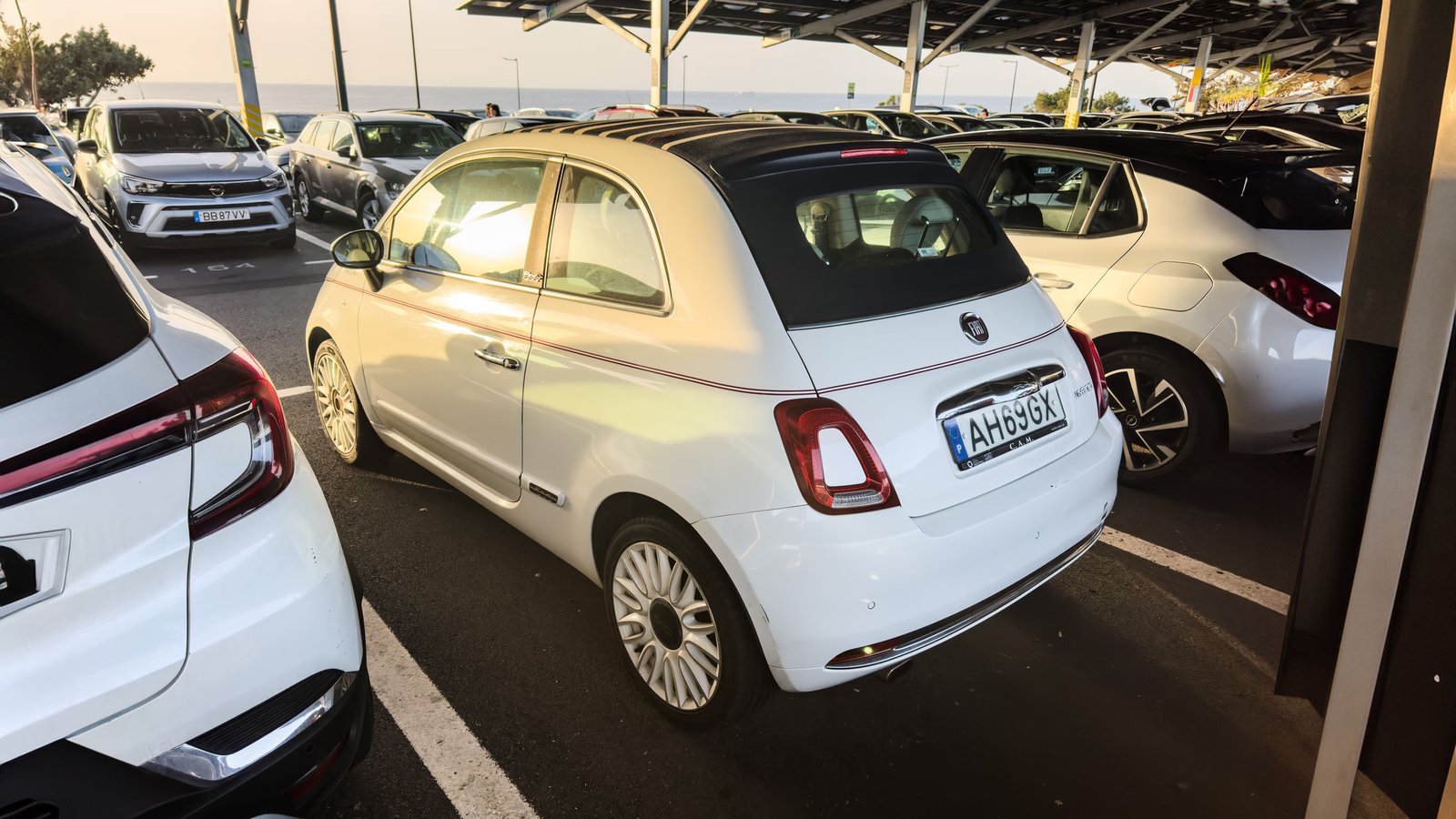
Right, I’m on Madeira and my first move is always the car rental desk. I book ahead; the later you leave it, the worse the choice and the price. I do my homework on who’s decent there, because price isn’t always the deciding factor. Stick to a name you know—Sixt, Avis, Hertz, maybe Budget. The budget outfits will skin you alive with a card terminal that “doesn’t work” or a refusal to rent without top-tier insurance. Even on Madeira, though, the big brands felt a bit scammy. I hadn’t read that many angry reviews in a while. The island is hilly. Hillier than I expected. I didn’t let that stop me and took the smallest, weakest car they had. Fiat 500 convertible. The guy at the counter told me straight away I’d never get around the island in it and when I burned the clutch I should come back for another one—while upselling me a bigger engine. Thanks, but a Fiat 500 and it’s a cabrio? We’re doing this.
I landed fairly late, so all I had time for was a very late dinner. I thought: nearest place with good ratings, off I go. Only then did I realise how steep Madeira is. In six hundred metres of walking I climbed a hundred metres. Basically wherever you go—even just for bread—you’re up and down hills. I did end up at a restaurant that had it all: a show for German tourists and the usual meat on a rotating spit.
I’ve got three full days of exploring. Day one starts at Ponta de São Lourenço, the peninsula on the north-east tip of the island (read: top right). I’m on holiday, so I’m driving uncharacteristically late. On the way I pass under something insanely dark and ominous. Megalophobia is the fear of huge structures—I don’t have it, but I get people who do. It’s the airport runway. I grab coffee at a café en route and become the centre of attention for a cluster of older local women. Probably the shorts: for the Portuguese and Spanish that’s basically taboo streetwear, reserved for sports. I’m just glad my skin feels sun after three months.
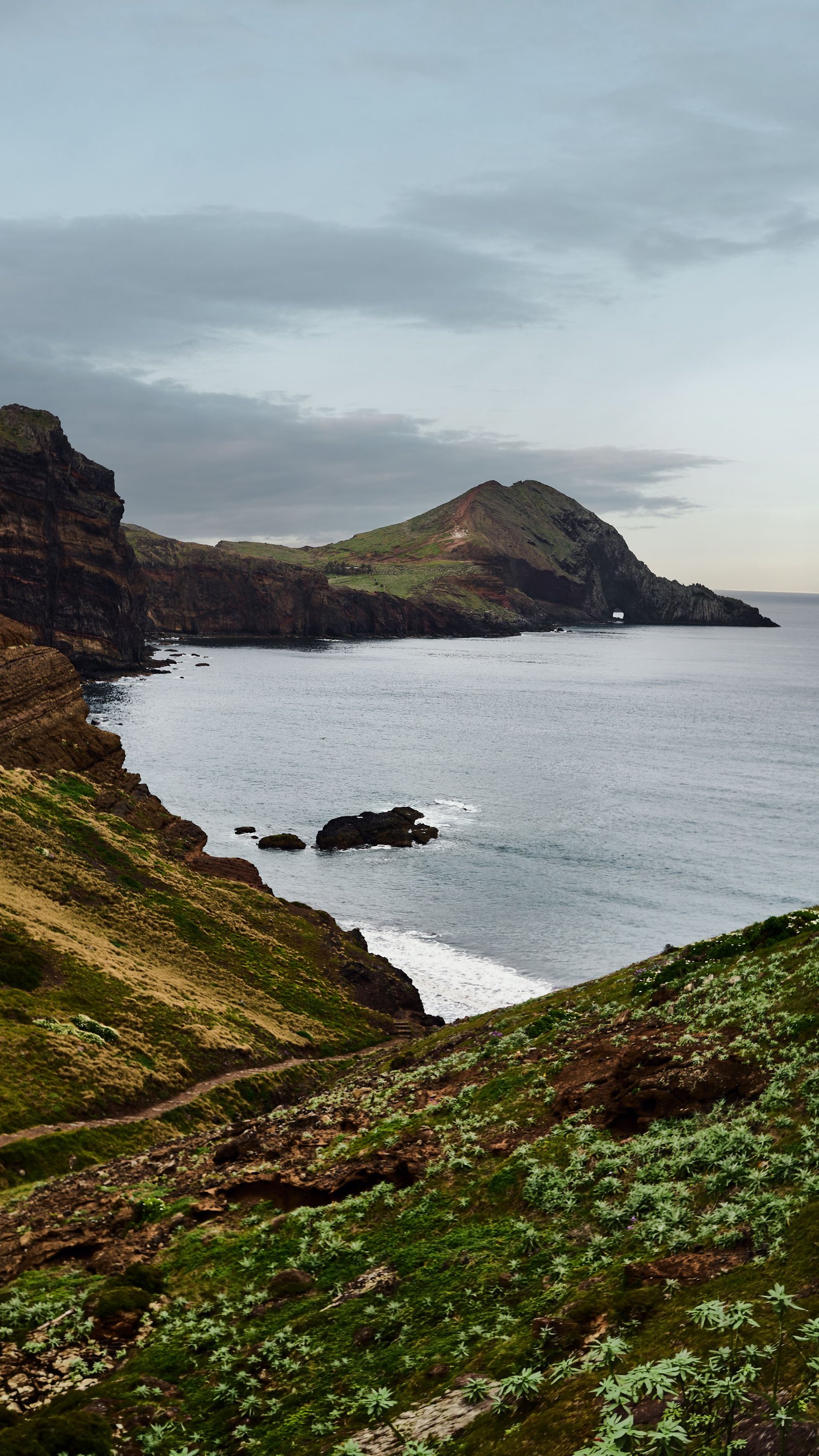
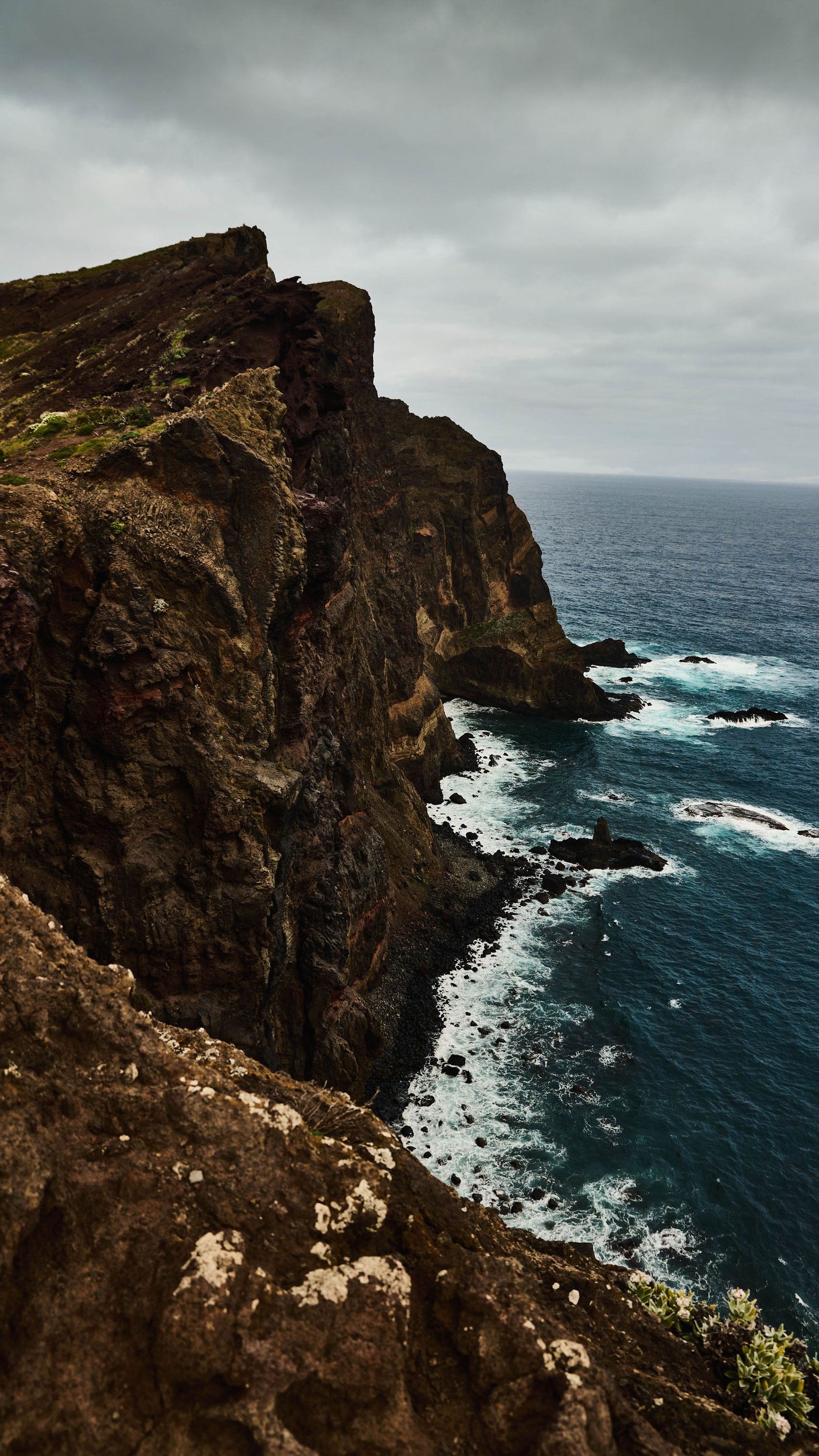
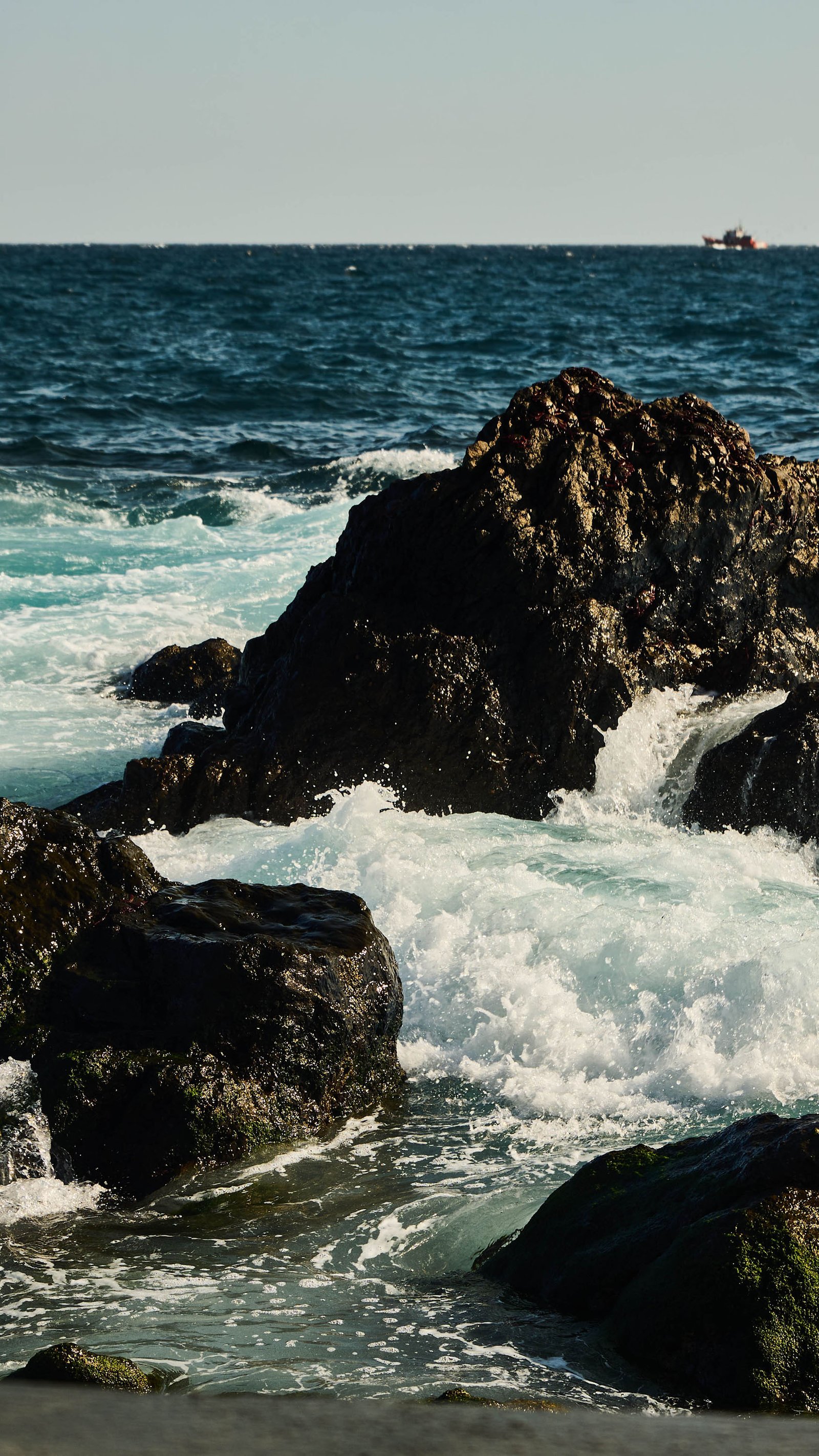
Every park or nature reserve charges entry—I hadn’t known. The daft part is you buy a specific half-hour slot. It’s not much money, I think about four euros. But you buy it on-site with no signal, so picture a guy on a folding chair in a hi-vis with a terminal in the middle of nowhere. A hundred metres away—the only spot with internet—people huddle buying tickets on a Portuguese website with no translation. I was one of them. I never saw that setup again. Ponta de São Lourenço is a beautiful place, a two-hour hike if you’re quick. You’ll see similar scenery in Scotland or Iceland. Total quiet, sea, wind, a handful of people. And there’s always at least one person who has no business on a hike like that. Wrong shoes and a month of sore feet—that’s on me. You don’t set off for Everest Base Camp on crutches either; greetings to the lady with the crutches.
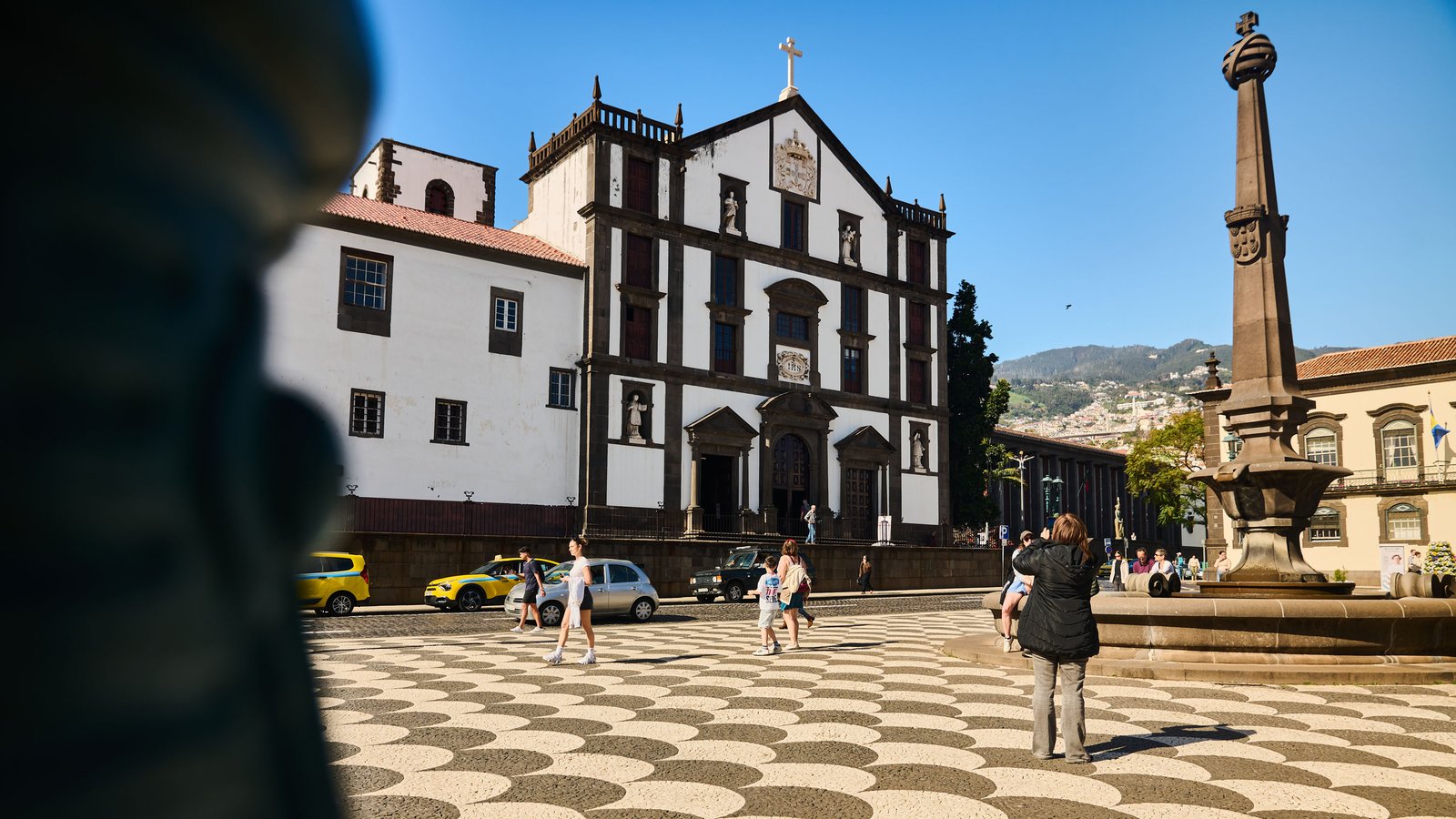
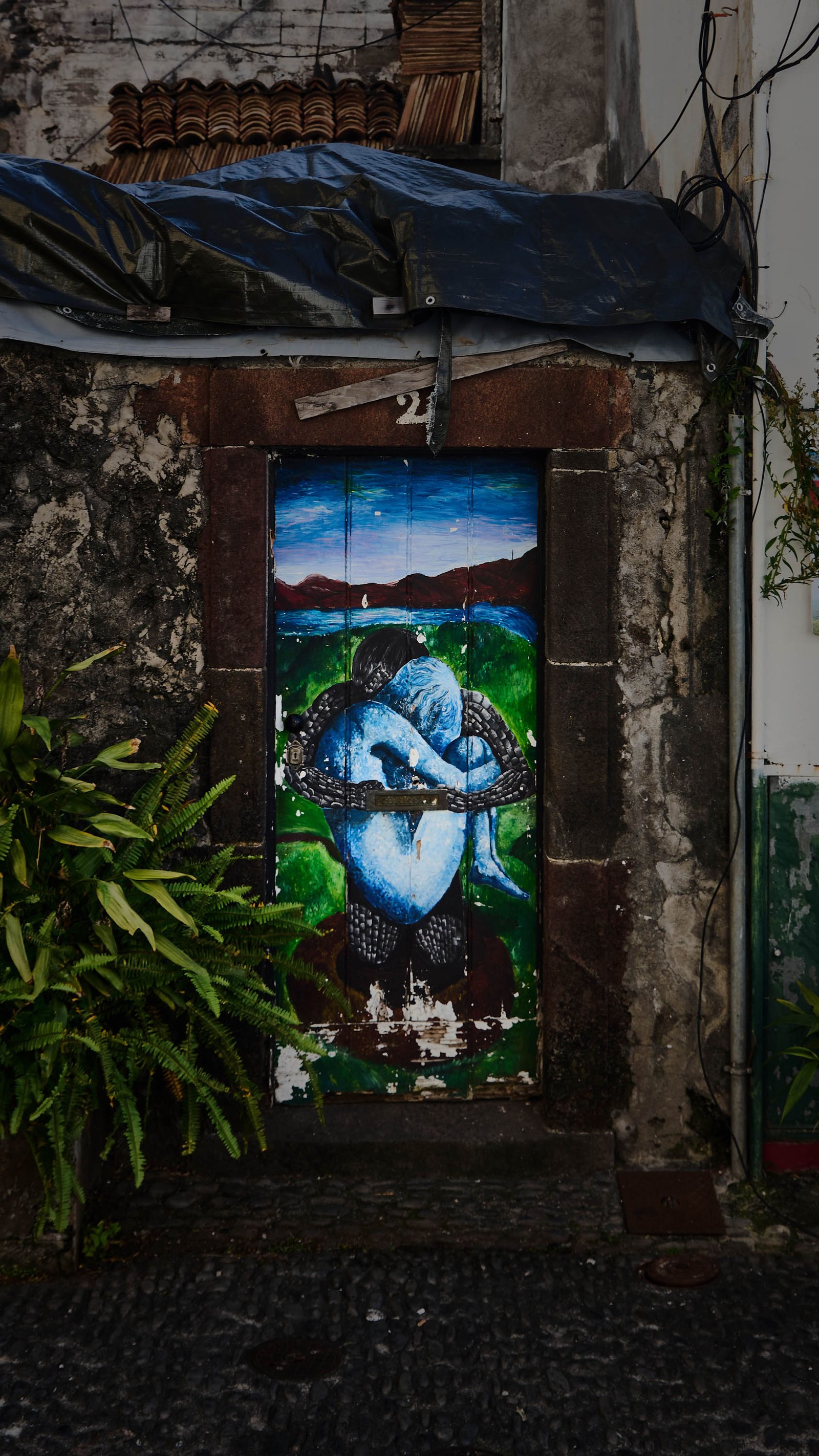
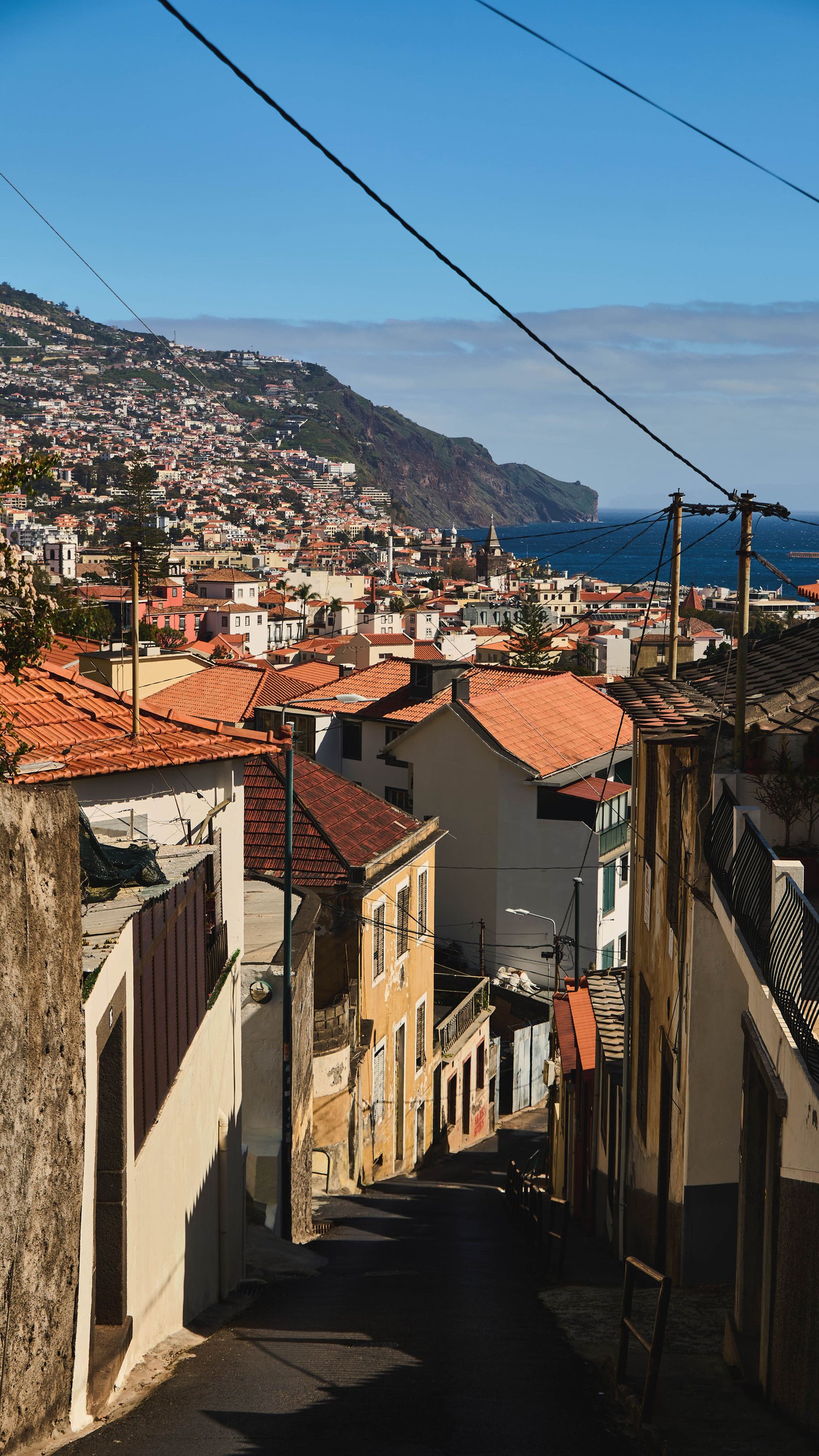
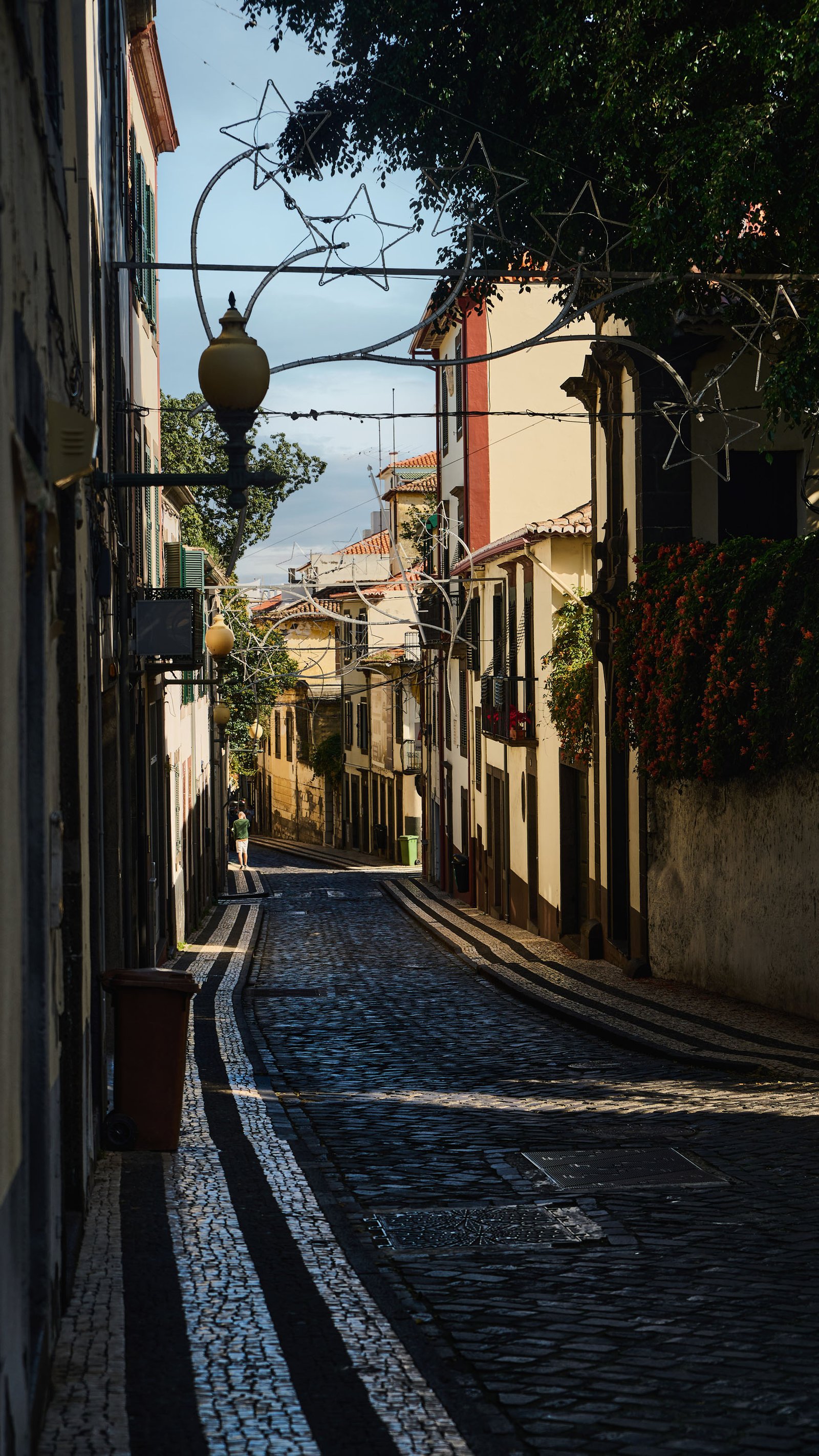
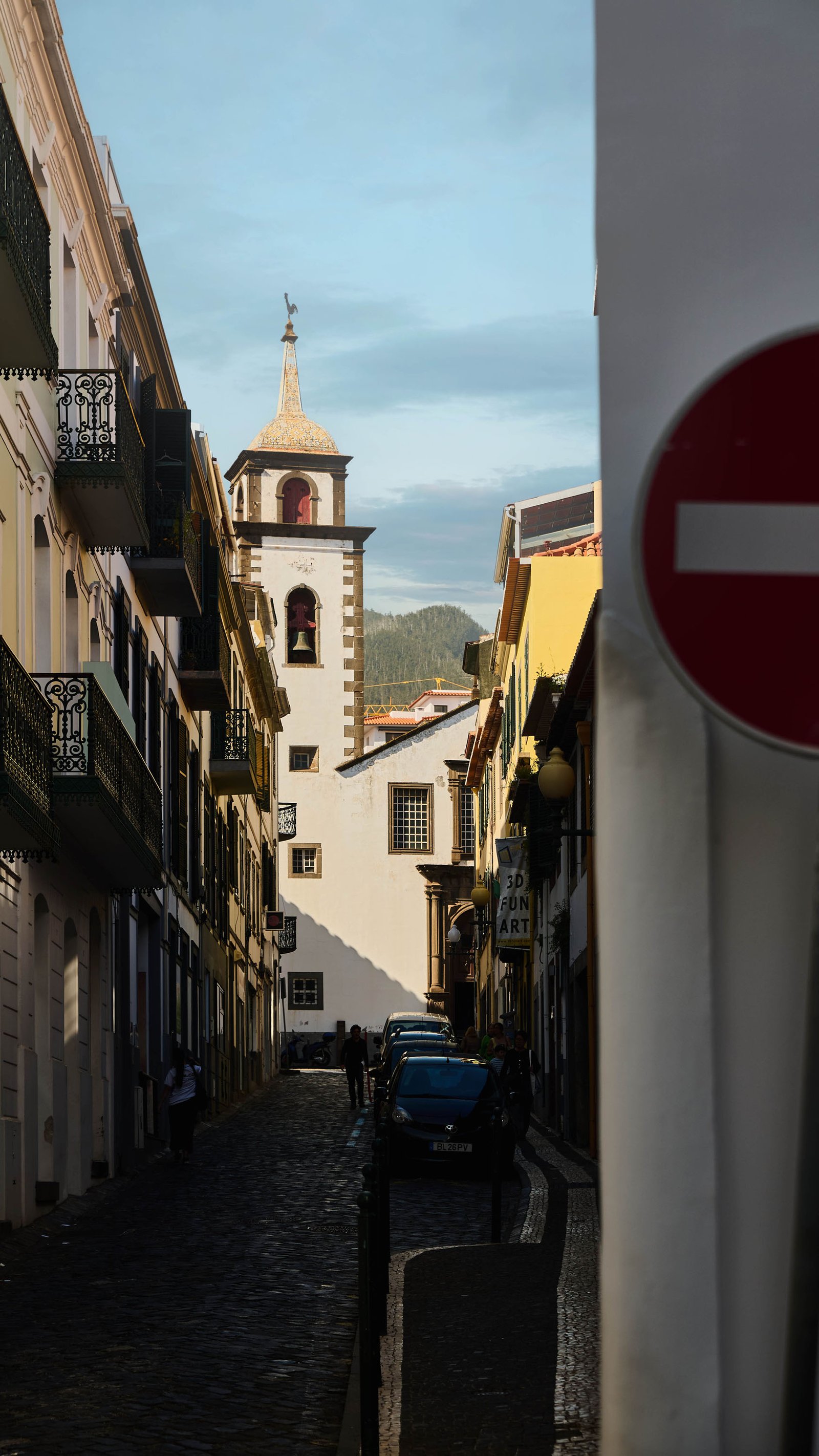
The rest of the day is for the main and basically only city, Funchal. I leave the car “at home” and walk. That morning I might as well have been in Iceland; now I’m in Lisbon. Madeira is the kind of place where you see everything in one day, yet it’s usually twenty degrees and four rainy days a month. Coastal countries are supposed to be about fish; here you’ll mostly get beef or lamb. That morning—Iceland again—people were swimming in the sea at the city beach. The old town is gorgeous. You can get good coffee; the Portuguese way, it’s been boiled on the surface of the sun and arrives at a hundred degrees, but if you wait a few minutes it’s great. You can try the local wine too. My luck, it’s mostly fortified, so it’s more of an aperitif. Like with sparkling wine—put four different glasses in front of me and I won’t tell them apart.
I was genuinely surprised how good the English is. That’s not a given inland in Portugal or Spain, but here pretty much everyone spoke it fluently.
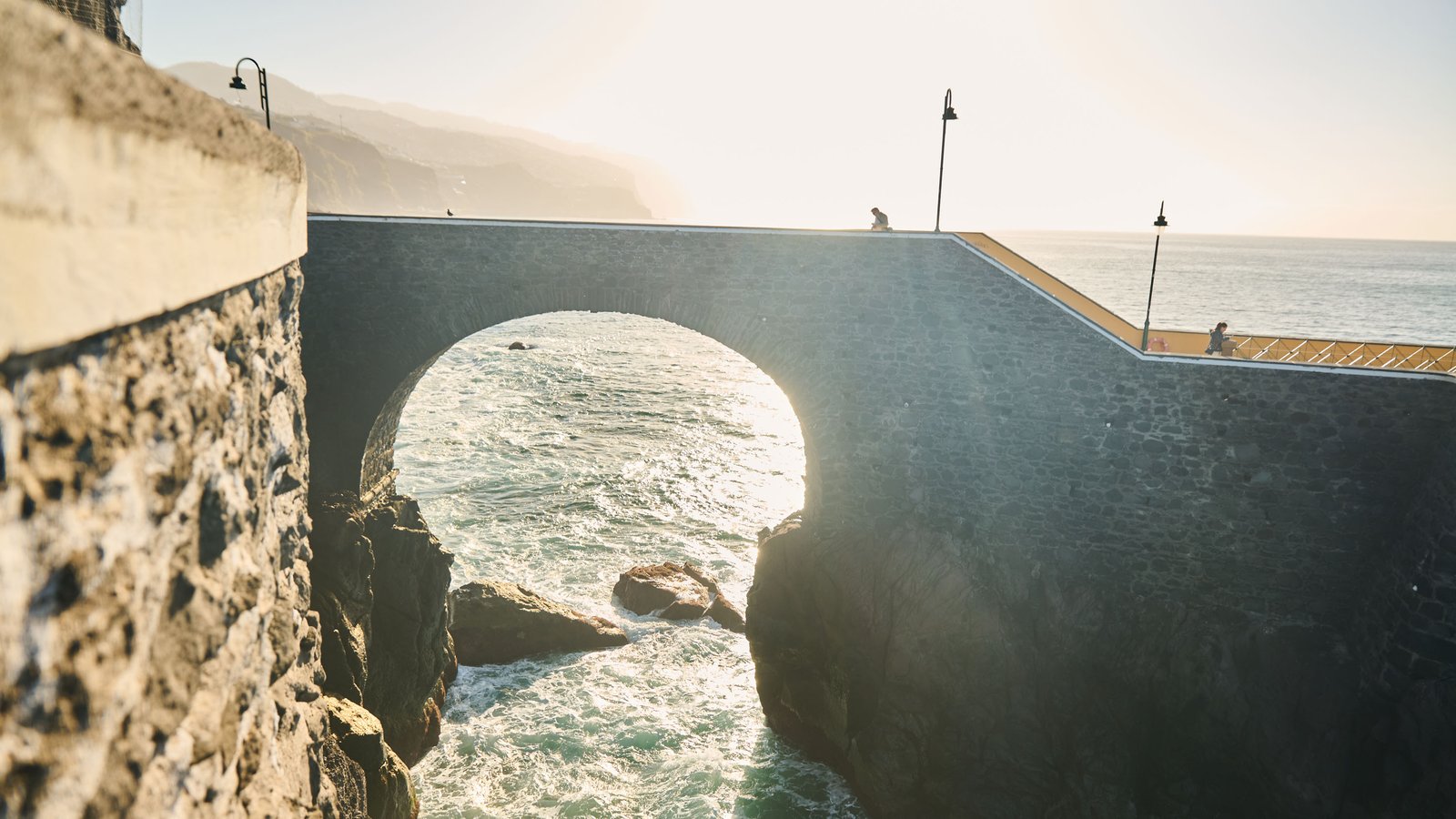
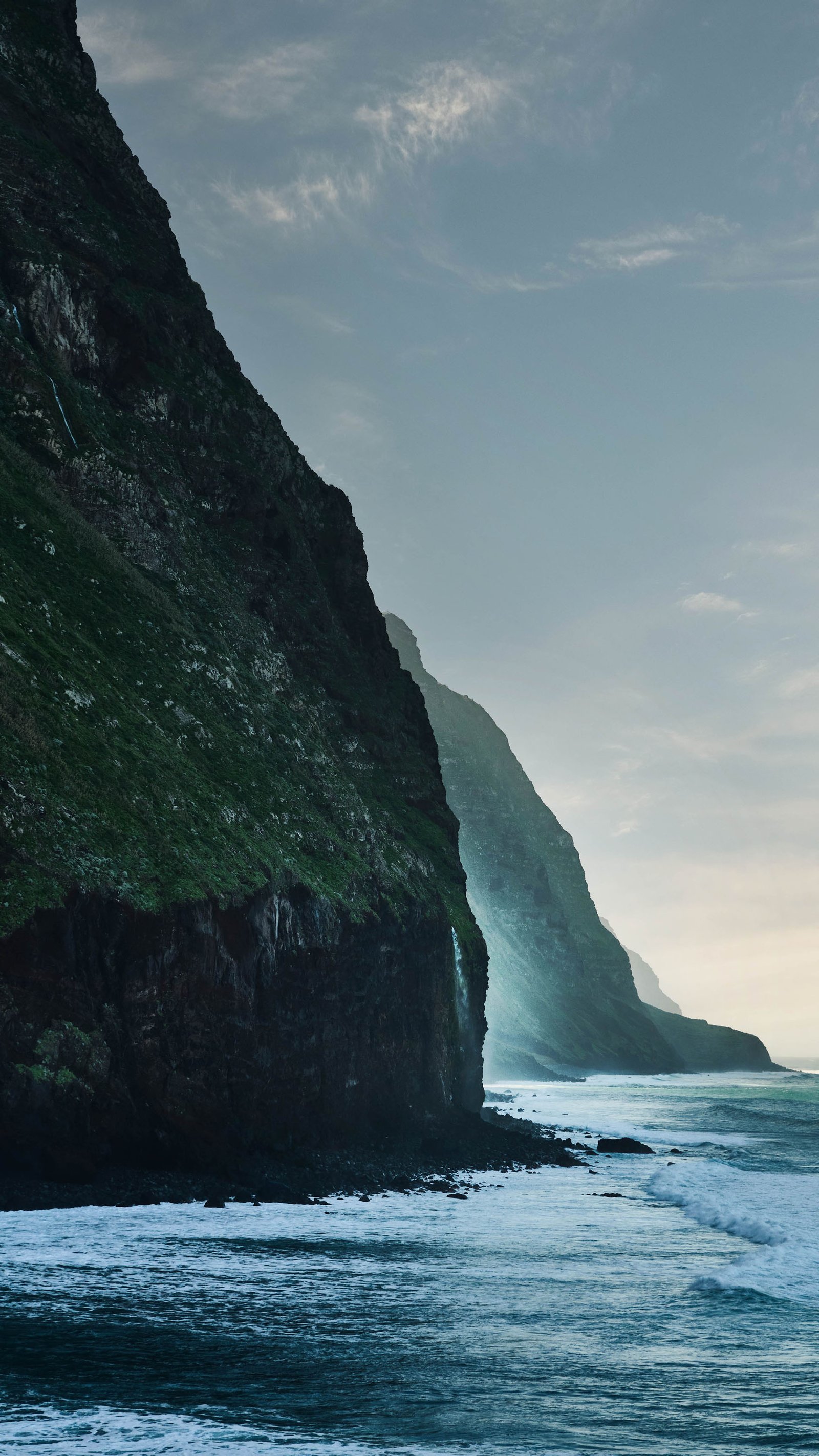
Day two is the island loop the rental guy insisted I couldn’t do. Madeira is fairly small—with stops you can do it in a day. Distances between stops are maybe half an hour. I was struck by how few people I met. A comfortable amount, but maybe it’s still off-season. So how about the Fiat 500 and hundreds of metres of climbing? Coming down the first serious hill I thought I’d never get back up. Turns out it’s fine if you keep it at five thousand rpm. Only once did I fail to climb something, and that was a forty-five-degree slope. One of the first stops, though, is genuinely worth it for what it is. Achadas da Cruz is not for the faint-hearted. You drive to a car park on the ridge. There’s a cable car—the steepest in Europe. You get in a six-person cabin and drop into a deep notch down to the coast. What’s down there is spectacular. I’ve been a lot of places; this was new. On one side wild sea and waves hammering the shore; on the other, cliffs hundreds of metres high with huts and fields on top. Enough to make you dizzy. The one thing I don’t get: at the bottom, reachable almost only by cable car, there’s an allotment colony. A three-by-three-metre shed and a hundred metres of garden. Where the wind is so strong you can’t hear yourself think over the waves on the rocks, and every bit of metal rusts in the salt air. Where nothing much grows except palms. Who wants to barbecue there for a chilled weekend? Each to their own.
A thousand metres higher, the trip continues. The north is known for its natural swimming pools. I wish I’d brought swimmers; it looked great and could’ve beaten the Blue Lagoon in Iceland, where we barely made it to reception in wind and hail. I had a better plan anyway: food. You’re more likely to order beef than fish.
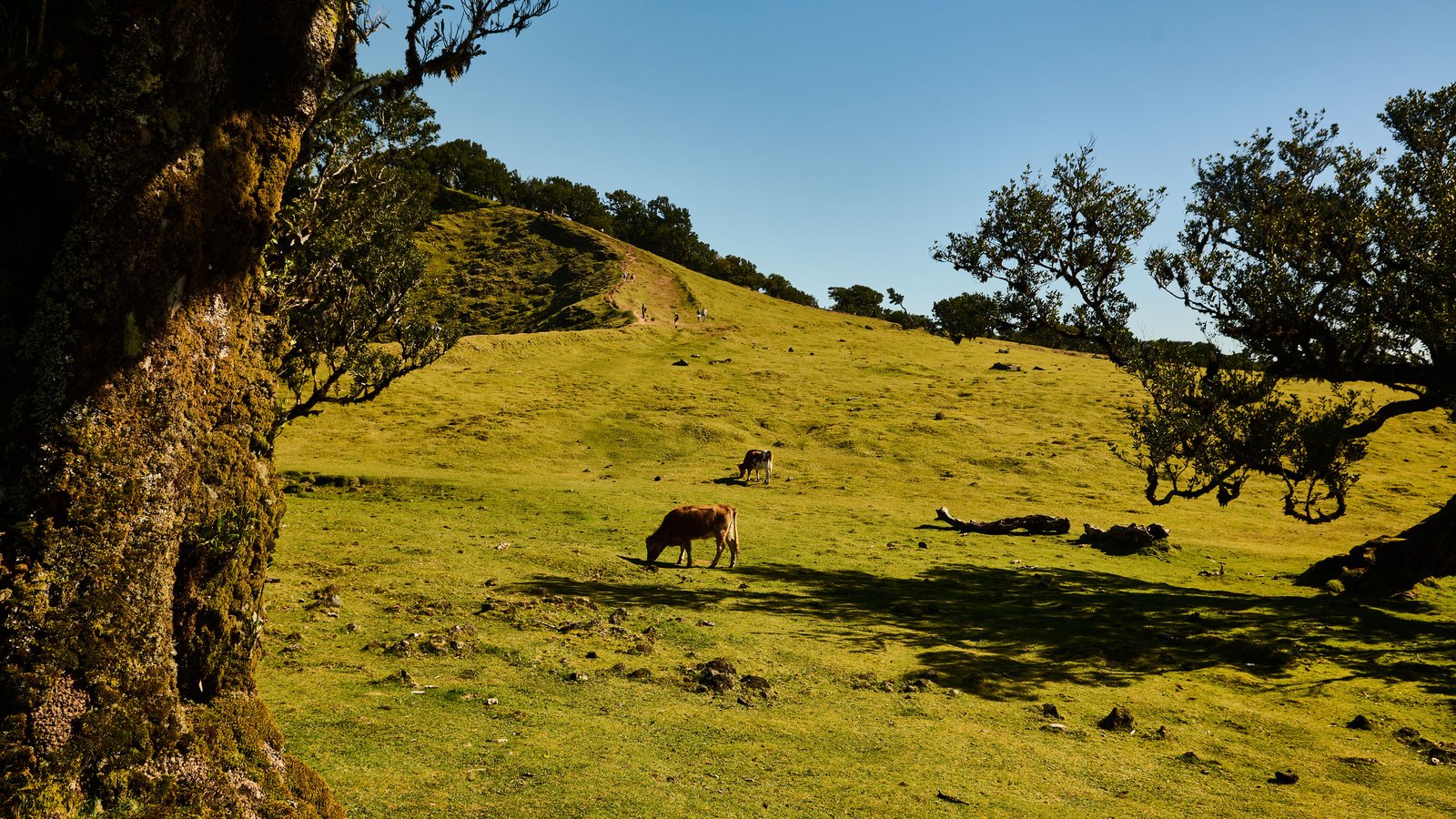
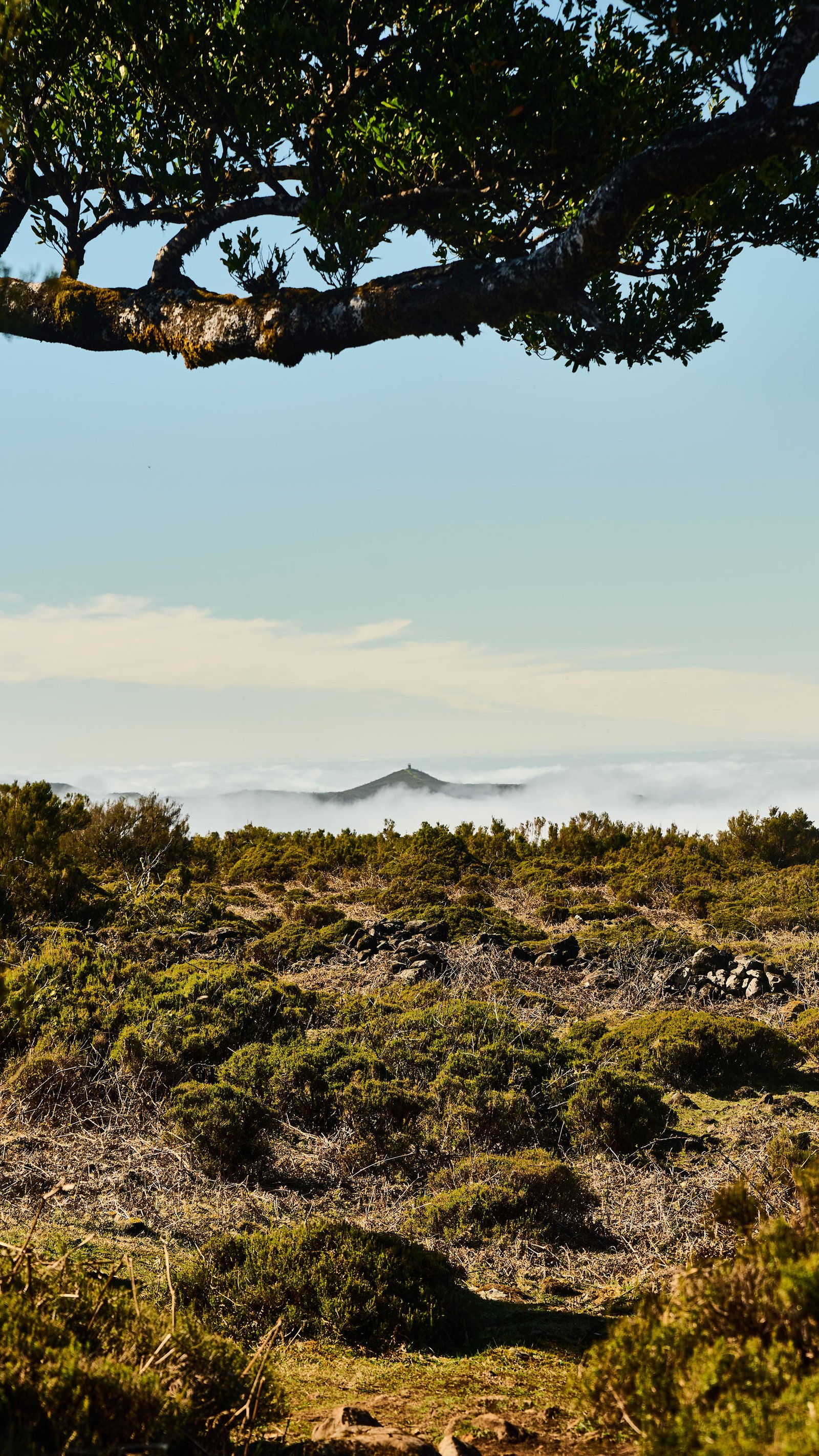
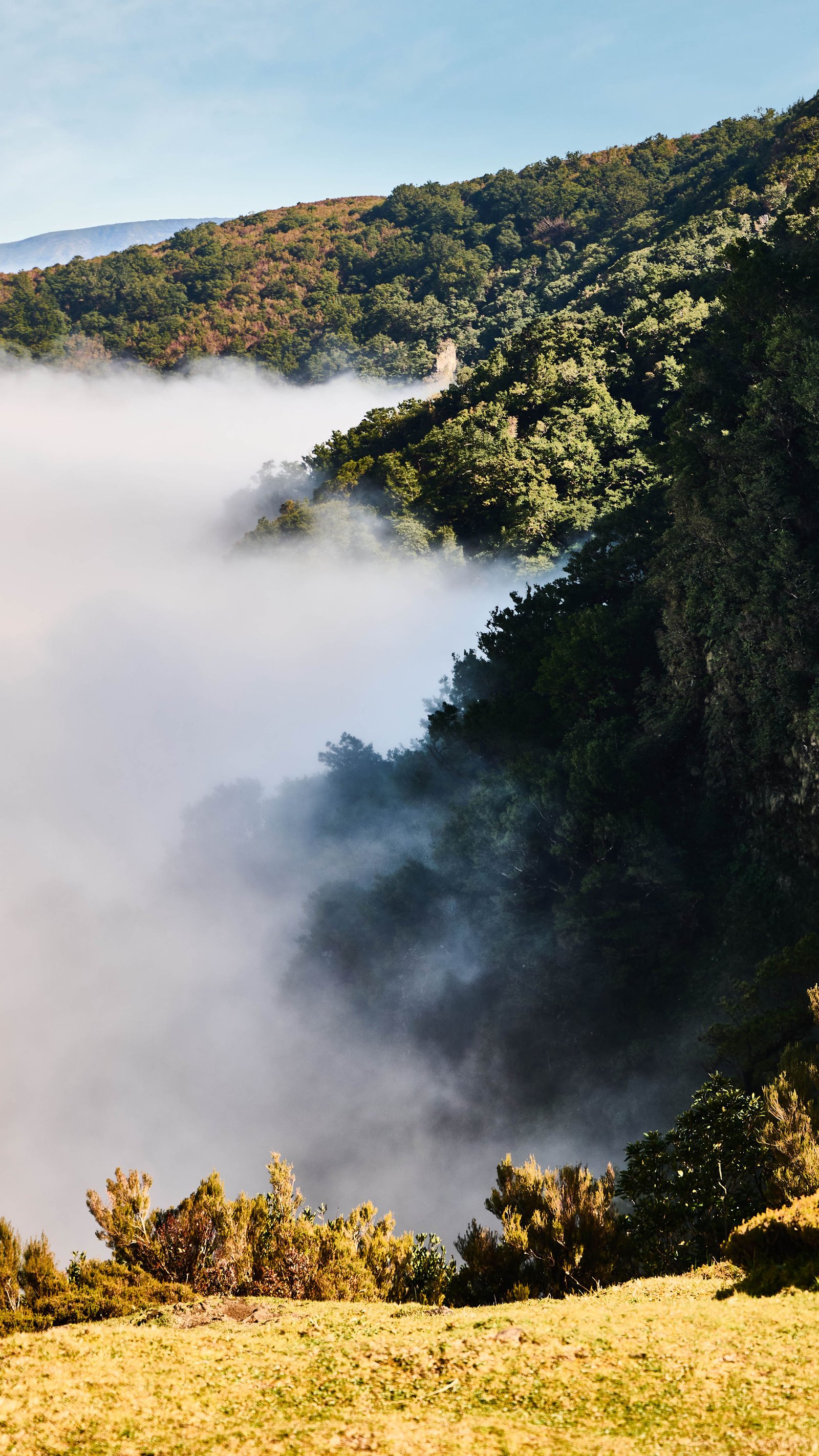
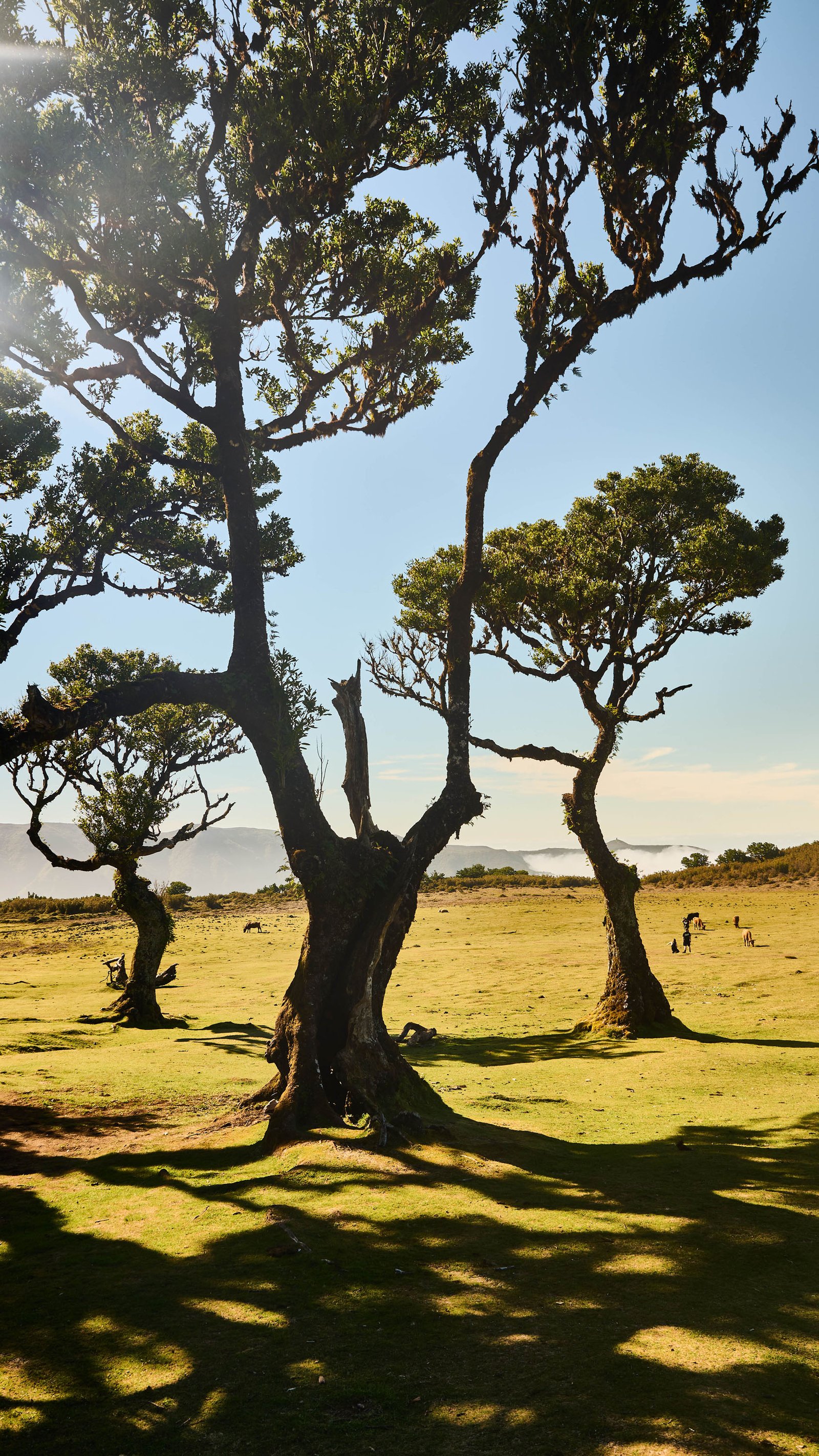
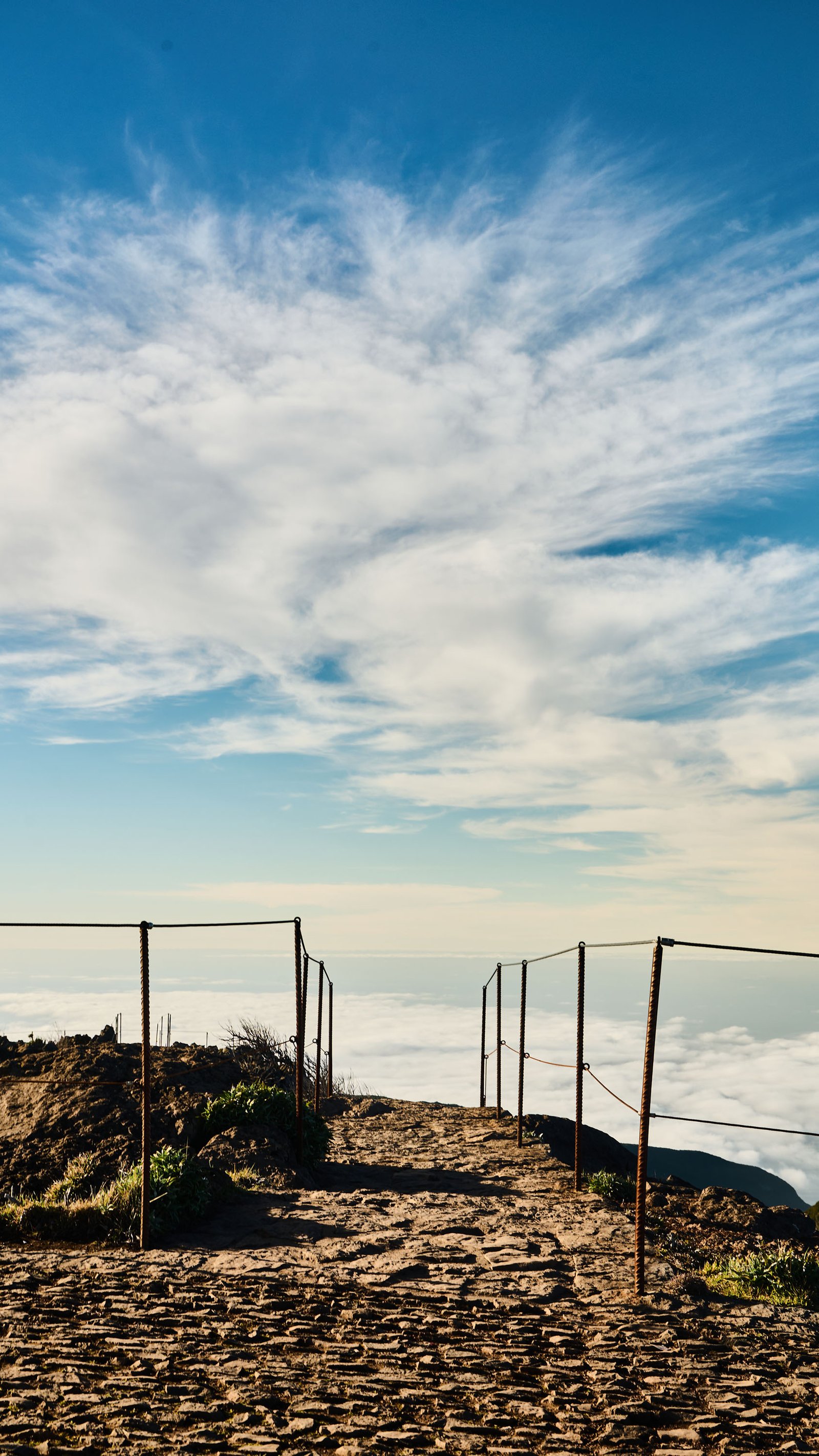
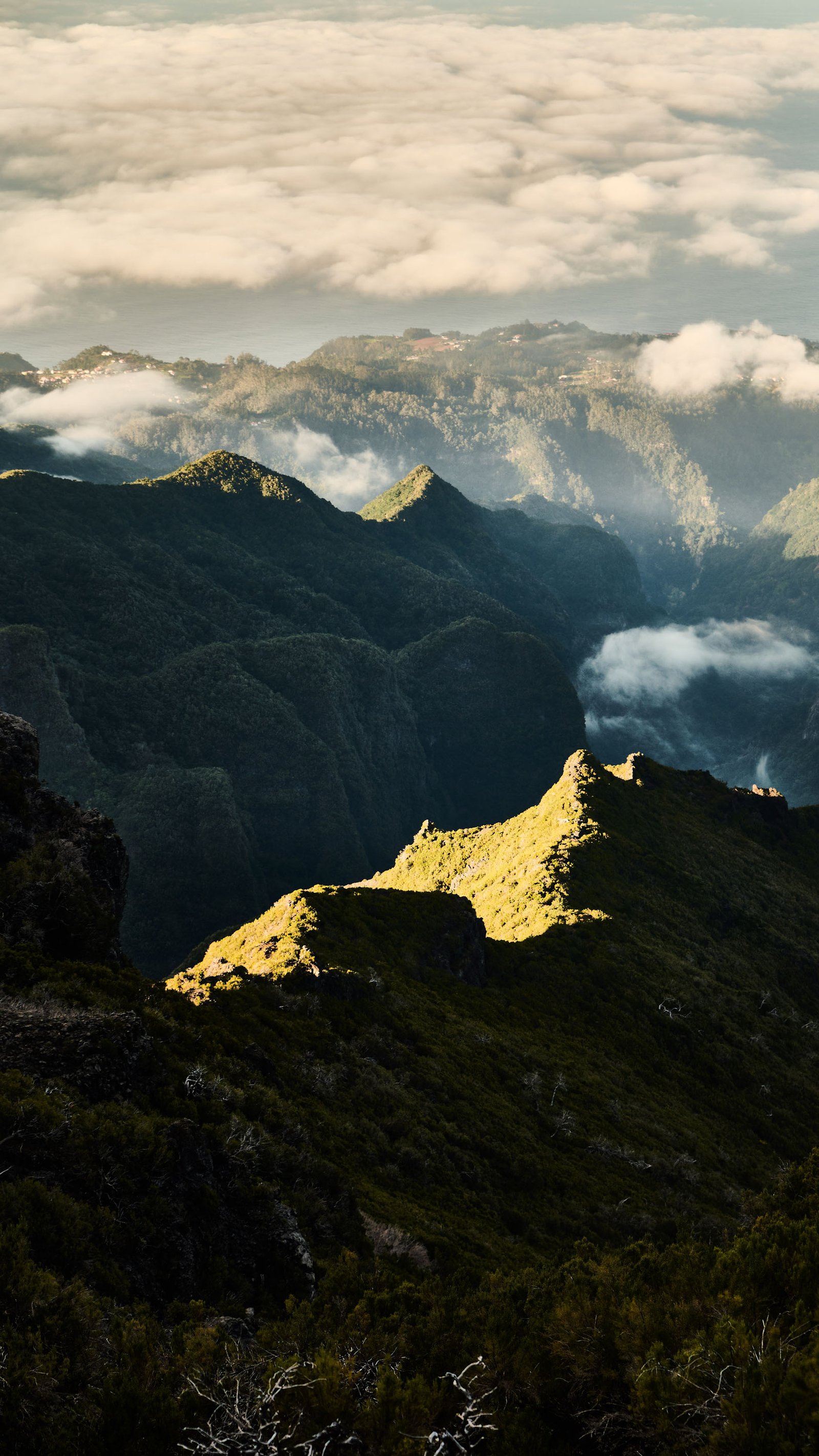
I was about to say I’m heading to the hotel and calling it a night, but I’d forget something from another planet: Fanal Forest. This woodland around twelve hundred metres is usually wrapped in fog, which makes it eerie. I had bad luck and good: when I was there it was clear, but the fog sat maybe fifty metres below the treeline. Picture a plateau where cows lounge like dogs on grass like a golf course. In dead silence you look down into a bank of cloud you could jump into like a pool. Utterly otherworldly. After that, back to the hotel.
On my last full day I want a few spots in the north and to climb Madeira’s highest peak. Pico Ruivo is 1,862 metres. The island has plenty I’d recommend, but I’ll start with one you can skip. Ruins of St. George. It looks interesting in photos, but getting there is a waste. It’s a stone passage on a beach made of stones, in a world of stones. Bizarrely there’s a restaurant right next to it, in the middle of nowhere among the rocks. It has pools nobody swims in. Mostly the place looks like a set from Chernobyl the series. The north of Madeira is generally less interesting—spend your time elsewhere.
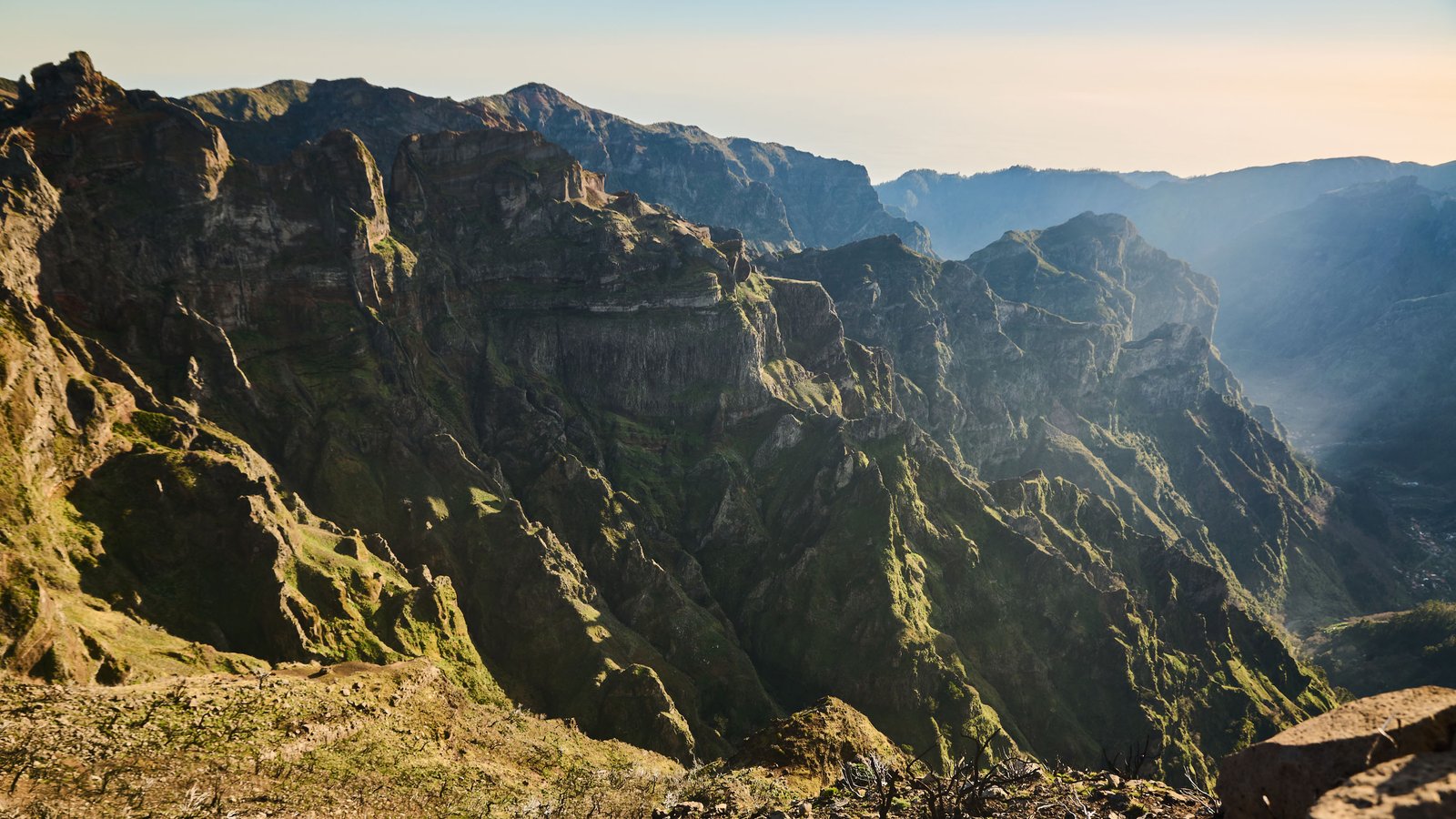
Back to the hike up Pico Ruivo. It’s not the Himalayas—you drive almost to the top. Then you’ve got maybe an hour and a half of up and down on foot. While it’s twenty degrees in Funchal, at the car park it’s twelve and on the summit about five. Bring something warm—or a paraglider, or a wind farm. The views are decent.
I think I’ve had enough; I’ll leave some for next time. I doubt it was my last visit to Madeira. It’s beautiful here. When I return the car I remember the guy who talked me out of it—we did every climb and descent together anyway. I’d photographed every scratch, matching the scam energy each rental place gave off. The guy I hand the keys to says: “They gave you this car? That should’ve been written off ages ago—I’m not even going to inspect it.” Till next time, then.
Car hire: book ahead, read reviews; photograph the bodywork at pick-up and drop-off.
Roads: big climbs and hairpins; a smaller car is usually enough, but expect plenty of downshifting.
Protected sites: entry often in timed slots; without mobile signal it’s easier to buy tickets online beforehand.
Weather: large temperature gap between the coast (Funchal) and the ridges (Pico Ruivo).
Language: English is common in tourist areas on the island.
Subcribe to my email list and once a month (probably every half a year, haha) you will get email and explore original stories, look behind the scenes and be the first one to know what’s going on.
 Full version of all my articles and backstage blog
Useful information (hotels, restaurants, ...) and access to my hand tailored travel maps
Be the first one to know hot news and access my prints and resources
Get access to my collection cards game (for members only, coming soon)
Full version of all my articles and backstage blog
Useful information (hotels, restaurants, ...) and access to my hand tailored travel maps
Be the first one to know hot news and access my prints and resources
Get access to my collection cards game (for members only, coming soon) 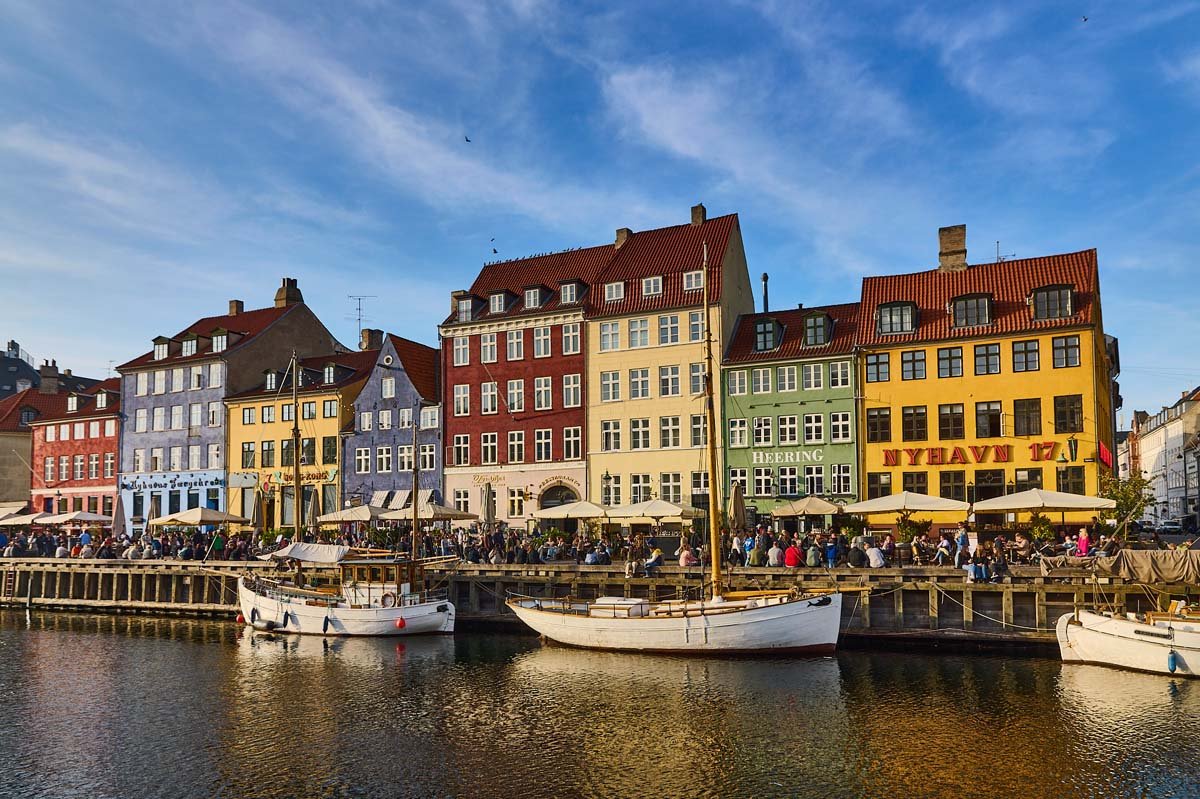
Land of fairy tales, tin soldiers, and the ugly ducklings. My expectations are sky-high at minimum. If I don’t see 18th‑century warships and marching soldiers with mustaches, it doesn’t count. I’ve always just driven through Denmark. And by “always,” I mean once on the way to Sweden and back. In my eyes, a boring, flat country where it rains nonstop—but I’m ready to give it a real shot this time.
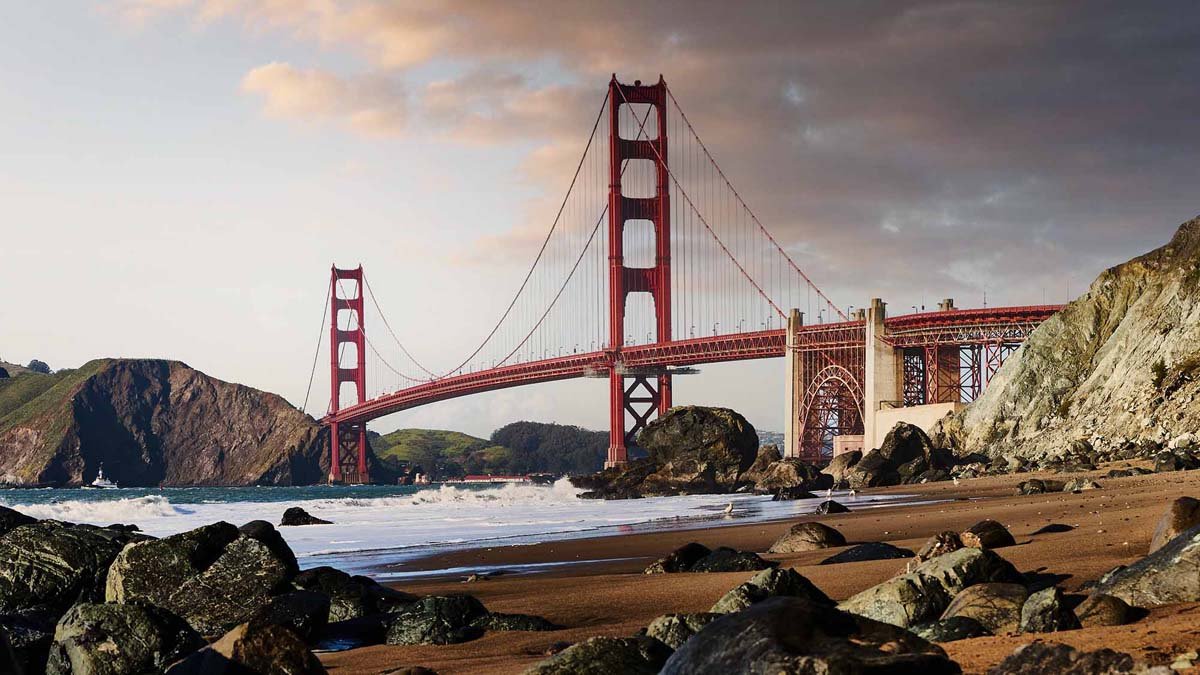
The Wild West of the United States. The gold rush is over, and I am traveling again to a place where there is no more gold. Instead, there is wine. But is it truly golden? We will find out.
Do you have a project I can help you with? I help non-profits, agencies, farmers and people with product tell their stories. Let me help tell yours.
Contact me
I am a filmmaker, documentarist, and environmental ambassador. I tell stories—through film and photography—about those shaping a sustainable world. From mezcal distilleries in Mexico to Moravian vineyards, I capture narratives that matter. I also craft experiences in UI/UX design and create music. When I'm not behind the camera, I travel, drink good wine, and enjoy great whiskey.

Cookie? I use cookies to make your experience on this website better
